




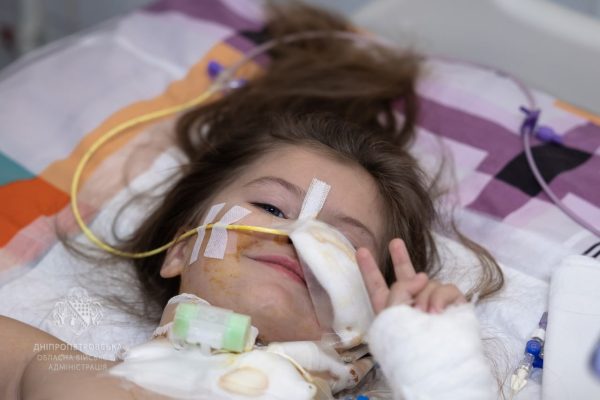
The outbreak of full-scale war in Ukraine transformed children’s hospitals overnight, confronting them with challenges no pediatric institution could have anticipated. Despite infrastructure damage caused by shelling, chronic staff shortages, the absence of reliable shelters, and substandard working conditions—including operating with broken windows and on emergency generators—pediatric hospitals across the country continue to deliver essential medical care. Every child in Ukraine deserves access to high-quality healthcare in safe, dignified conditions.
The Dnipro Regional Children’s Clinical Hospital, located on Kosmichna Street, has served the community since 1981. Today, the hospital operates 12 specialized departments, including a modern oncohematological center, and provides care to children under the age of 18. It is widely recognized as one of the leading perinatal and neonatal centers in central and eastern Ukraine.
Since the beginning of the full-scale invasion, the hospital’s staff have demonstrated extraordinary professionalism and unwavering dedication, saving dozens of young lives. In February 2022, the neonatal intensive care unit swiftly organized a makeshift bomb shelter, protecting newborn infants during Russian attacks.
Throughout the war, the hospital has played a critical role in supporting internally displaced families, particularly those evacuated from the Donetsk, Luhansk, Kherson, and Zaporizhzhia regions. As a result, the hospital is now admitting significantly more patients than before, including pregnant women, high-risk newborns, premature infants, and babies born into displaced families.
One of the hospital’s most vital units is the department for premature and low-birth-weight infants, where physicians care for babies weighing as little as 500 grams and suffering from severe respiratory, cardiovascular, and other life-threatening conditions. For these extremely vulnerable patients, precise and continuous infusion therapy is often a matter of survival, as even minimal dosing errors can result in serious complications.
To strengthen lifesaving neonatal care, the hospital is seeking support to acquire Aitecs 21016 syringe infusion pumps. These devices provide highly accurate medication delivery, enable the continuous and simultaneous administration of multiple drugs, ensure maximum safety for newborns, and significantly reduce the risk of human error—an especially critical factor under wartime conditions and increased medical workloads.
This appeal is not simply about upgrading medical equipment; it is about saving lives, safeguarding the health of children born under extraordinarily difficult circumstances, and supporting families affected by war.
The BCU Foundation respectfully invites you to support the Dnipro Regional Children’s Clinical Hospital. Funds raised through the Foundation’s Resilient Hearts event on February 21, 2026, will directly benefit the hospital and represent a meaningful investment in children’s lives, safety, and future. We kindly encourage you to consider contributing toward the hospital’s most urgent needs and helping ensure that vulnerable children continue to receive essential medical care.
Oleksandra Chorna
Ukrainian Echo